Korean Melon (Chamoe)
🎬 Watch videos📂 Browse
Korean Melon (Chamoe) Board

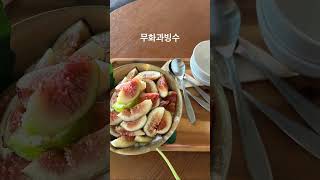
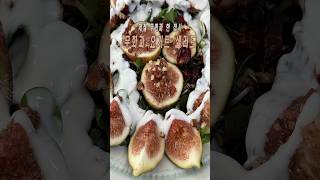



Chamoe (Korean Melon) — Korea's Signature Summer Fruit, and How to Pick and Enjoy It
Chamoe is a bright yellow summer fruit you'll find on every Korean table in the hottest months. Its deep-yellow skin is grooved with white ridges, and the flesh is crisp, refreshing, and cleanly sweet. Though it belongs to the melon family, this yellow-skinned, crunchy melon is really enjoyed only in Korea — which is why it's known abroad as the "Korean melon." Together with watermelon and peach, it's one of the icons of a Korean summer, and it's at its best from June through August.
This guide goes beyond a simple introduction: how to pick a good one → storing and ripening → how to eat it at its best → turning it into summer treats.
Chamoe at a Glance
| Item | Detail |
|---|---|
| Season | June – August (peak sweetness mid-June to July) |
| Taste | Crisp texture, cool and clean sweetness, gentle aroma |
| Main region | Seongju, Gyeongbuk (about 70% of national production) |
| Nutrition | Rich in water, potassium, vitamin C — great for summer hydration |
| Calories | Light, around 30 kcal per 100g |
What Is Chamoe Good For? (Benefits)
As a summer fruit it's about 90% water, making it excellent for hydration and quenching thirst in the heat. A few more things worth knowing:
- Water & potassium: Potassium helps flush out sodium, supporting reduced bloating and fluid balance — a good match for sweaty summer days.
- Vitamin C: Contains vitamin C that supports recovery from fatigue and immunity in summer.
- Beta-carotene: The yellow flesh carries beta-carotene, which acts as an antioxidant.
- Folate: Chamoe also contains folate, so it's often recommended for pregnant women.
- Fiber: A modest amount of fiber that aids digestion.
- Light on calories: Sweet but low in calories — an easy summer diet snack.
That said, chamoe is considered "cooling" in nature, so if you have a sensitive or cold stomach, or eat too much at once, it may upset your stomach. Enjoy in moderation.
How to Pick a Sweet Chamoe (Key Tips)
A pile of chamoe may all look alike, but a few cues reveal the sweet ones:
- Skin color: A deep, vivid yellow means it's ripe. A greenish tint means it's underripe.
- Ridges (grooves): The whiter and clearer the ridges, the riper and sweeter. Green between the ridges means immature.
- Weight: For the same size, the heavier one is packed with moisture.
- Shape: Prefer plump, well-balanced fruit over overly long or lumpy ones.
- Stem & aroma: A fresh, un-dried stem and a faint sweet scent near the stem signal ripeness.
Storing & Ripening
- Underripe chamoe: Don't refrigerate right away — ripen at room temperature for 1–2 days to build aroma and sweetness.
- Ripe chamoe: Refrigerate and eat within 2–3 days for the crispest bite; it softens if kept too long.
- Right before eating: Chill for 1–2 hours to sharpen the sweetness (don't over-chill, or the aroma fades).
How to Eat It at Its Best
- Skin: Usually peeled thin. You can eat it with the skin if well washed, but the texture is tougher.
- Seeds & core: The white core and seeds are fine to eat. If you dislike the texture, scoop them out and enjoy just the yellow flesh.
- A pinch of salt: Like watermelon, a little salt makes the sweetness pop.
- Serve cold: The colder it is, the more refreshing.
Summer Treats Made with Chamoe
- Chamoe hwachae: Diced chamoe with honey water or cider and ice — an easy summer dessert.
- Chamoe-cheong (syrup): Cure chamoe with sugar 1:1 for about a week; use in drinks or dressings.
- Chamoe jangajji: A crunchy soy- or doenjang-pickled side dish, popular in summer.
- Chamoe muchim: Julienne and toss with chili powder, vinegar, and sugar for a sweet-sour salad.
Where Is Chamoe Famous? — Seongju
About 70% of Korea's chamoe comes from Seongju, Gyeongbuk. The fertile soil along the Nakdong River and large day-night temperature swings produce high-sugar melons. To taste freshly picked chamoe straight from the source, Seongju is the answer — roadside-stand melons there are noticeably sweeter than supermarket ones.
👉 Seongju travel & chamoe direct-purchase guide: Seongju Travel Guide
Recommended search keywords: Korean melon, chamoe, Seongju melon, how to eat Korean melon, Korean summer fruit
Today's Videos
News