Autumn University Festival
🎬 Watch videosAutumn University Festival Board


![[2026 University Festival Legendary Sing-Along] The MC Stalled for Time and Got an Encore - A Legendary Stage](https://img.youtube.com/vi/8qz-LlJbQHc/mqdefault.jpg)
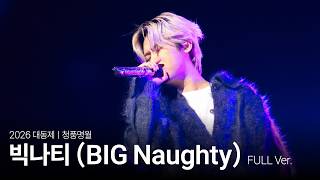
![KiiiKiii perfectly showcased their addictiveness even at the university festival [404 (New Era) - KiiiKiii]](https://img.youtube.com/vi/GHosI3e_nh4/mqdefault.jpg)
2026 Autumn University Festival Schedule — Confirmed Lineups and Remaining Universities
The autumn university festival season has already passed its halfway point. In the second week of September, Kyonggi University, Hanyang Women's University, and KAIST opened their doors, followed by Seoul National University, Inha University, Sogang University, Sungshin Women's University, and Seoul Institute of the Arts, all within three days in the third week. What remains is just over two weeks, from the University of Seoul on September 21 to the Yon-Ko Games on October 2-3.
This article updates the page that listed estimated dates for each university in early August with confirmed information. Past schedules are recorded as "Which university invited whom," and for universities yet to hold their festivals, the dates, announcement status, and confirmation channels are organized. The last verification was on September 17.
At a Glance — As of September 17
| Category | University | Status |
|---|---|---|
| Concluded | Kyonggi University, Hanyang Women's University, KAIST, Chosun University, Gwangju Health University, Seoul National University of Science and Technology, Dankook University | Lineups and schedules recorded below |
| Ongoing | Seoul National University (~17th), Inha University (~18th), Sogang University (~18th), Sungshin Women's University (17-18th), Seoul Institute of the Arts (17-18th) | Final day performances remaining |
| Scheduled | University of Seoul (21-22nd), Kyung Hee University Global Campus (28-30th), Chungbuk National University (29th~Oct 1st), Konkuk University Seoul (30th~Oct 1st), Myongji College (30th~Oct 2nd), Hanyang University Seoul (Oct 1-2nd), Yon-Ko Games (Oct 2-3rd) | Most lineups unannounced |
Festivals Already Held — Who Performed
Universities whose lineups were announced in news reports on September 8, and those subsequently revealed by organizers, are listed in chronological order. Celebrity performances were mostly concentrated on the last day.
| Date | University | Lineup |
|---|---|---|
| 9/9~10 | Hanyang Women's University | 9th New:BIT, Heize / 10th LUN8, NCT DREAM |
| 9/10~11 | Kyonggi University | 10th Soyou, Loco, Zico, WINNER / 11th 10CM, Hearts2Hearts, Haha & Skull, MC Mong |
| 9/10 | Kyung Hee University (Business & Political Science Joint) | Zion.T |
| 9/11 | Chungnam National University (College of Natural Sciences) | Yang Hong-won, Chungha |
| 9/11~12 | KAIST | N.Flying, Lee Ye-joon, Dept, Lidoor, No Brain, etc. |
| 9/14~16 | Chosun University | 14th Jo Yu-ri, Kwon Eun-bi, Choi Ye-na / 15th Yebit, Chuu, Car, the garden, Billlie, WINNER / 16th Davichi, Jeon So-yeon, Sik-K, HAON, NOWIMYOUNG, JMIN |
| 9/15 | Gwangju Health University | Choi Ye-na, Soyou, Han Yo-han, Mighty Mouth |
| 9/14~18 | Sogang University | 18th TransFixion, KARA, Zico |
| 9/15~17 | Seoul National University | 17th Closing Ceremony fromis_9, Nerd Connection, MEOVV, RESCENE, Ha Hyunsang |
| 9/16~18 | Inha University | 16th Simon Dominic, fromis_9, Jannabi, Kwon Eun-bi, Chang Kiha / 17th BIBI, Zion.T, Heegyoo, Hanroro, Cherry Filter / 18th RESCENE, Lidoor, MEOVV, Rothy, Skull & Haha |
| 9/17~18 | Sungshin Women's University | 17th Ailee, KiiiKiii / 18th AtHeart, Davichi |
| 9/17~18 | Seoul Institute of the Arts | 17th Kep1er, Hyolyn, Mad Clown, Peppertones / 18th Kickflip, Lee Chae-yeon, Lee Seung-yoon |
Several things stand out. Chosun University, with sixteen teams over three days, was the largest this autumn. WINNER performed at Kyonggi University and Chosun University a day apart, and Choi Ye-na visited Chosun University and Gwangju Health University consecutively. RESCENE and MEOVV were booked for Seoul National University's closing ceremony (17th) and Inha University's last day (18th), confirming that second-year girl groups have become regulars on autumn campus stages.
Seoul National University was unexpected. The university, which usually only holds spring festivals, hosted a three-day festival named 'LUMINES: Prologue' in autumn, citing its 80th anniversary. The 15th and 16th were held at Jandi Plaza, and the closing ceremony on the 17th was at Beodeulgol Pungsan Madang. The part in the August estimate that stated "Seoul National University only has May" was incorrect.
Remaining Festivals — From September 21 to October 3
This is the section worth checking now. Skipping the Chuseok holiday (September 24-27), festivals are concentrated in the last week of September and the first week of October.
| Date | University | Lineup Announcement | Notes |
|---|---|---|---|
| 9/21 (Mon)~22 (Tue) | University of Seoul | Unannounced | Two days right before the holiday |
| 9/28 (Mon)~30 (Wed) | Kyung Hee University Global Campus | Unannounced | Two weeks later than August estimate |
| 9/29 (Tue)~10/1 (Thu) | Chungbuk National University | Unannounced | Two weeks later than August estimate |
| 9/30 (Wed)~10/1 (Thu) | Konkuk University Seoul | Unannounced | External visitor/alumni admission conditions also unannounced |
| 9/30 (Wed)~10/2 (Fri) | Myongji College | Unannounced | |
| 10/1 (Thu)~2 (Fri) | Hanyang University Seoul (Aeguk Hanyang Cheering Festival) | Unannounced | Open-air theater stage, booths, food trucks; dates confirmed by university announcement |
| 10/2 (Fri)~3 (Sat) | Yon-Ko Games | N/A | Refer to sports schedule below |
The University of Seoul's lineup has not been released, even with four days left until the event. Given the university's size, the announcement is likely to be one or two days before the event, in which case admission applications might also open on the same day. Kyung Hee University Global Campus and Chungbuk National University were listed for the third week of September in the August estimate but moved to the last week of September. With Chuseok covering the fourth week, they were pushed back by two weeks, not just one.
Hanyang University Seoul holds its autumn festival in the form of a cheering festival. The announced locations include the open-air theater, Hanmadang, near the Lion Statue, and the International Building parking lot, covering the entire campus. The lineup and admission methods are not in the announcement. The student council account is the announcement channel.
Yon-Ko Games Sports Schedule
The Yon-Ko Games on October 2-3 are more of a cheering event than a festival, but if you're visiting campuses in the same week, your paths might overlap. The schedule, based on Korea University's announcement, is as follows:
| Date | Sport | Venue |
|---|---|---|
| Oct 2 (Fri) | Baseball | Undecided |
| Oct 2 (Fri) | Ice Hockey | Mokdong Ice Rink |
| Oct 2 (Fri) | Basketball | Jamsil Students' Gymnasium |
| Oct 3 (Sat) | Rugby | Mokdong Stadium |
| Oct 3 (Sat) | Soccer | Mokdong Stadium |
Game times are not in the announcement. The baseball venue remains undecided, so you'll need to check the announcement just before the event. Cheering sections are allocated based on student IDs, and seats for external visitors are very limited.
How Accurate Were the August Estimates?
Since predictions were made, a score is also provided. The table that shifted previous years' weeks to this year's calendar got the big picture of "concentration in the third week of September" right, but individual universities were about half off.
| University | August Estimate | Actual | Verdict |
|---|---|---|---|
| Sungshin Women's University | 9/17~18 | 9/17~18 | Match |
| Seoul Institute of the Arts | 9/10~11 | 9/17~18 | 1 week late |
| Konkuk University | 9/29~30 | 9/30~10/1 | One day difference |
| Kyonggi University | 9/29~10/1 | 9/10~11 | 3 weeks early |
| Kyung Hee University Global Campus | 9/15~17 | 9/28~30 | 2 weeks late |
| Chungbuk National University | 9/15~17 | 9/29~10/1 | 2 weeks late |
| Hanyang University Seoul | 9/16~18 | 10/1~2 | 2 weeks late |
| Seoul National University | No autumn event | 9/15~17 | Incorrect |
The delays are all explained by the impact of Chuseok. Some universities that were scheduled for the third week were pushed back after the holiday, making the last week of September a new peak. Cases like Kyonggi University, which moved their festival earlier, are due to university-specific circumstances and not captured by previous patterns. As of September 17, no verifiable autumn festival announcements were found for Gachon University, Sungkyunkwan University, Kookmin University, Myongji University, or Pusan National University. It seems they either held their festivals in spring or canceled autumn events, but the student council accounts are the final check.
Three Holidays and the Remaining Calendar
In September-October 2026, there are three periods of three or more days off, and the remaining festivals are scheduled in the empty weeks between them.
| Holiday | Date | Festival Placement |
|---|---|---|
| Chuseok | 9/24 (Thu)~27 (Sun) | Split into Mon-Tue before (University of Seoul) and Mon-Thu after (Kyung Hee Global, Chungbuk, Konkuk, Myongji College) |
| Gaecheonjeol | 10/3 (Sat)~5 (Mon) | Hanyang University on Thu-Fri right before the holiday, Yon-Ko Games until the first day of the holiday |
| Hangeul Day | 10/9 (Fri)~11 (Sun) | Virtually no university festivals after this |
As of September 17, no four-year universities were confirmed to be holding festivals during the Chuseok holiday. Some local junior colleges have a precedent of holding events on the first day of the holiday in previous years, so their announcements should be checked separately.
Regional festivals and music festivals during the same period can be found in the Autumn Festival Calendar.
Can External Visitors Enter?
Even with the schedule, this is where it gets tricky. It's no longer an event where you can just walk in as before.
It has become standard for universities to divide open-air theaters or main sports fields, where celebrity performances are held, into student zones and external visitor zones, limiting the number of entrants in advance to prevent crowd accidents. Many universities also charge admission fees for external visitors or require pre-booking through a designated app.
| Admission Method | External Visitors | If Missed |
|---|---|---|
| Fully Open | Just enter | No problem |
| Zone Separation | Only external visitor zone possible | Give up on front of stage |
| Pre-reservation System | Apply via app/form | Difficult to get in on-site |
| Student-only | No entry | No way |
This autumn, most universities had lineup announcements and admission application openings on the same day. By the time the announcement is checked, applications are already open, and popular universities close within that day. Among the remaining universities, Konkuk University and Hanyang University have not yet released their admission conditions, so for now, all you can do is follow their accounts and turn on notifications.
With admission restrictions, workarounds like borrowing student IDs or memorizing authentication quizzes emerged, to which universities responded with cross-verification of student IDs and identification cards. There have also been cases where universities announced that legal responsibility could follow in case of unauthorized use.
To Film Fancams
Filming is a separate hurdle from admission. Some universities require prior agreement for filming idol performances, requesting a filming permit application along with a copy of an ID and a pledge. The background to this is the use of large telephoto lenses. Large lenses lined up in front of every stage spot raised issues of visibility, safety, and portrait rights all at once, resulting in the current permit system.
Three things need to be checked in advance: whether cameras are allowed, if there are lens size restrictions, and if filmed content can be uploaded online. The last point is where university and agency policies differ, so explicit guidelines should be sought out.
Filming conditions for outdoor stages were covered in Autumn Stage Season, and stage videos from this season are collected under Fancam.
Frequently Asked Questions
When will the lineups for the remaining universities be announced? Usually 2-7 days before the event. The University of Seoul (21st) is likely this weekend, Kyung Hee University Global Campus and Chungbuk National University (28-29th) either just before or during the Chuseok holiday, and Konkuk University and Hanyang University (30th~Oct 2nd) immediately after the holiday.
Are there any universities holding festivals during the Chuseok holiday? As of September 17, none have been confirmed. Major universities in the Seoul metropolitan area all avoided the holiday period.
Can external visitors watch the Yon-Ko Games? Stadium seats are prioritized for student cheering sections of both universities, and general sale seats vary by sport. Mokdong Stadium and Jamsil Students' Gymnasium opened some general seats in previous years, but there is no announcement for this year yet.
I booked accommodation based on the August estimate, but the dates changed. Kyung Hee University Global Campus, Chungbuk National University, and Hanyang University were all pushed back by two weeks. If you booked with cancellation options, you can change it now. The estimates on this page are based on previous years' weeks, so the error margin increases in years with holidays.
Are Gachon University, Sungkyunkwan University, and Kookmin University not holding autumn festivals? As of September 17, no confirmed announcements. Universities that held spring festivals often skip autumn.
The Name Daedongje
Around 1980, university festivals began to be called Daedongje, and Korea University's use of this name for its festival in 1984 is widely known as the starting point. True to its name, meaning "to become one greatly," the Daedongje of that era was closer to an event created together by campus members, with a small proportion of external invited performances. The current form, which is virtually an outdoor concert with admission control and filming permits, is a relatively recent change. Sungshin Women's University still using "Sujeong Daedongje" and Kangwon National University using "KNU Daedongje" are remnants of this tradition.
News on competition and performance schedules continues in Dance Events.
Sources: Gukje News September University Festival Lineup (September 8) · Hanyang University Aeguk Hanyang Cheering Festival Announcement · Korea University 2026 Yon-Ko Games Schedule Announcement · Mogakgong University Festival Calendar · Autumn University Festival Schedule Summary (Updated September 16)
🗺 Map
Today's Videos
News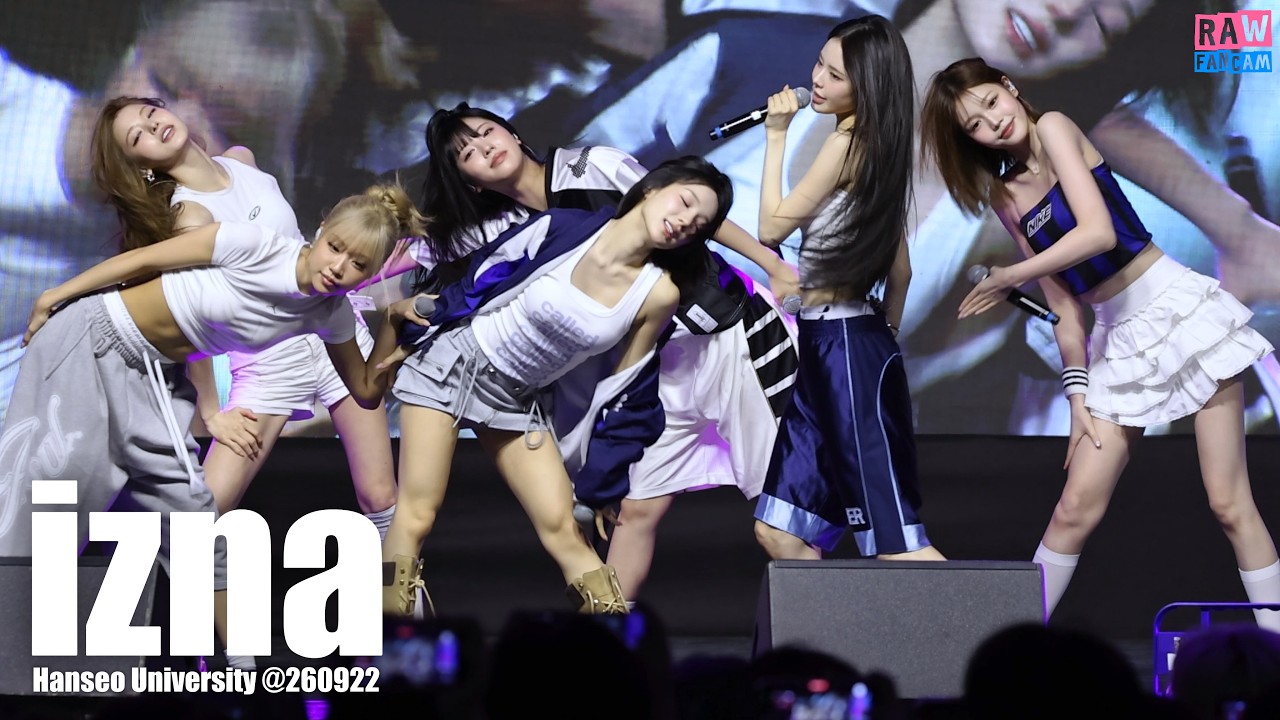
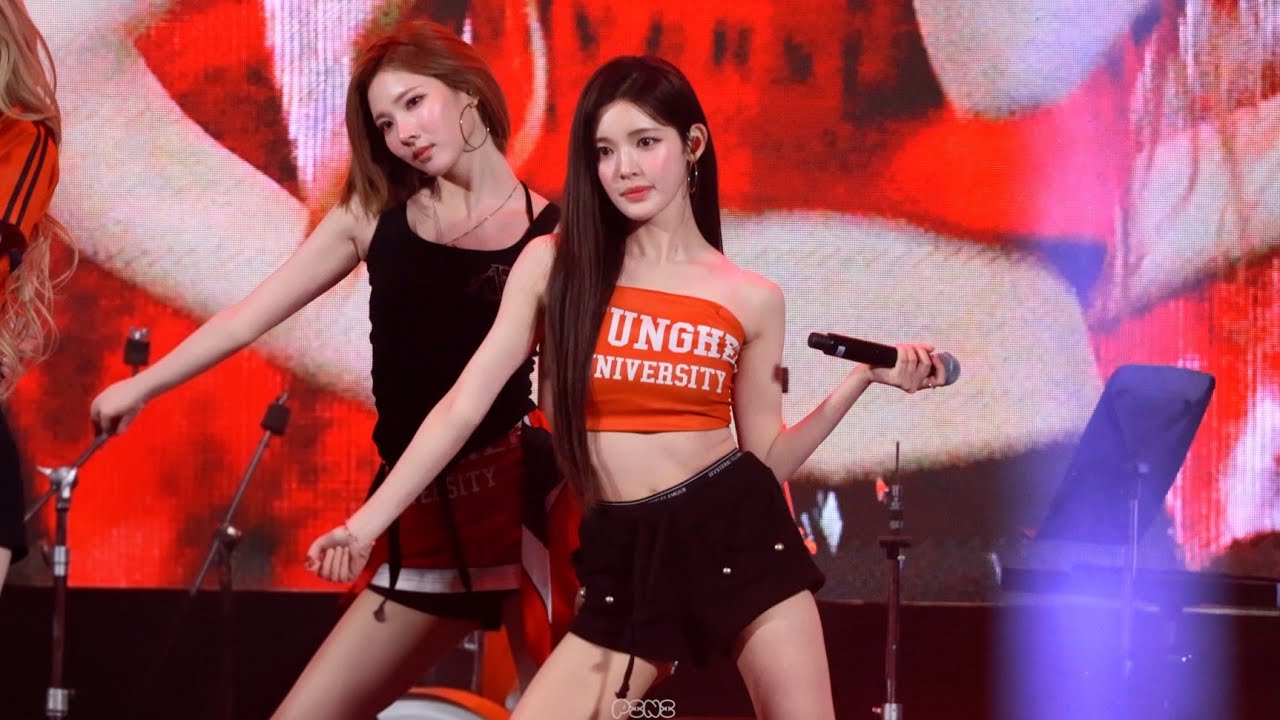
![[4K] KiiiKiii Sungshin Women's University Festival Fancam Full 260917](https://i.ytimg.com/vi/iUkb6S9Ylx8/maxresdefault.jpg)
![[4K] LIGHTSUM Dongguk University Festival #LIGHTSUM #GirlGroup #Chowon #Sangah #Nayoung #Hina #Juhyeon #Yujeong #UniversityFestival](https://i.ytimg.com/vi/FQ0OsXy1nxQ/hqdefault.jpg)


Recommended Videos
News




![[2026 University Festival Legendary Sing-Along] The MC Stalled for Time and Got an Encore - A Legendary Stage](https://i.ytimg.com/vi/8qz-LlJbQHc/hqdefault.jpg)
![KiiiKiii perfectly showcased their addictiveness even at the university festival [404 (New Era) - KiiiKiii]](https://i.ytimg.com/vi/GHosI3e_nh4/hqdefault.jpg)


![All Day Project's First University Festival Stage_2026 Korea University Ipsilenti 'All Day Project' Full Version 'Famous + Look at me + Wicked + One more time'[4k]](https://i.ytimg.com/vi/kolnYMHYFYA/hqdefault.jpg)
