Mudeungsan
🎬 Watch videosToday's Videos
News
Why take off your shoes while hiking?


Hiking Gear Camping Rechargeable Outdoor Headlamp Rental

AliExpress Gems Only Insiders Use! TOP5 Lighthouse-Level Flashlights Beaming 8,000m for Night Sea Foraging
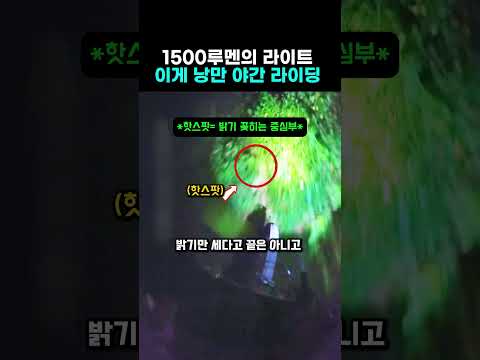
What is the minimum light brightness needed for night trail riding? #자전거 #mtb #산악자전거

Mudeungsan National Park Jeungsimsa Course | Gwangju Dong-gu | 100 Famous Mountains

As the weather warms, hikers increase..Mudeungsan National Park 'Suffering from Trash' (Newsdesk 2026.2.21 Gwangju MBC)

A Gwangju local recommends Mudeungsan National Park⛰️ Unexpected situation occurred..🔥 •Must-watch for hiking beginners• Jeungsimsa Course Vlog

'Endangered Otters, Martens, Leopard Cats'..Repeatedly Spotted in Mudeungsan / KBC News
![Has anyone been to Gwangju Mudeungsan Peak? Hiking is tough, so I'll show you the amazing scenery instead [PICK] / YonhapnewsTV](https://i.ytimg.com/vi/iMEQzO2dESk/hqdefault.jpg)
Has anyone been to Gwangju Mudeungsan Peak? Hiking is tough, so I'll show you the amazing scenery instead [PICK] / YonhapnewsTV


Gwangju City, Mudeungsan National Park Summit Opens on October 9


📂 Browse
Mudeungsan — Broad Ridges and Stone Pillars Above Gwangju
Mudeungsan (無等山, 1,187 m) embraces the city of Gwangju. Its name literally means "without rank" — a mountain generous to everyone. It isn't a wall of cliffs; the ridges roll gently and you can reach the trailhead by city bus from downtown Gwangju, which makes it the city's everyday walking range. Foreign travelers can do it as an easy half-day hike.
What kind of mountain is it
Designated a national park in 2013. Mudeungsan's signature is its columnar joints — vertical stone pillars formed by ancient volcanic activity. Seoseokdae and Ipseokdae near the summit are walls of upright basalt pillars, a geological landmark rare to see elsewhere in Korea.
Courses — straight from downtown Gwangju
- 🟢 Jeungsimsa → Jungmeori-jae — the standard trailhead. Past the temple to a wide silver-grass ridge, about 2 hours. Gwangju spread out below.
- 🟡 Jeungsimsa → Jangbul-jae → Ipseokdae — an hour more from Jungmeori-jae to the columnar joints. Round trip 5–6 hours. The recommended intro course.
- 🔴 Summit area (Seoseokdae / Cheonwangbong) — Cheonwangbong (the peak) is partly restricted due to a military facility; Seoseokdae is the de facto summit view. 30–40 min beyond Ipseokdae.
- 🟢 Old Trail (Yetgil) — between Jeungsimsa and Yaksasa. Quiet, calmer scenery.
Getting there
- Downtown Gwangju → Jeungsimsa entrance: city bus 1187 (named after the mountain's elevation — easy to remember). Transferable from Gwangju Station or the bus terminal.
- Taxi: about 10,000 won from downtown.
- Gwangju by KTX: about 1.5 hours from Yongsan, Seoul, to Gwangju-Songjeong. Then one subway stop to the city center.
Pair with Gwangju itself
Doing only the mountain undersells the city.
- Yangnim-dong Modern History Street — 100-year-old missionary houses, cafés, and galleries mixed together. Good for the day after the hike.
- Asia Culture Center (ACC) — a huge cultural complex on the old Provincial Hall site. Many exhibitions are free.
- May 18 Democracy Plaza — essential if you want to understand modern Korean history. In front of the old Provincial Hall.
- Chungjang-ro / Geumnam-ro — Gwangju's daily streets. Tteokgalbi (grilled short-rib patty), Songjeong-ri's tteokgalbi alley, sangchu twigim (lettuce-wrapped fried snacks) — a Gwangju original.
Food — since you're in Gwangju
- Tteokgalbi — Songjeong Tteokgalbi Alley is the source. Tender ribs in a sweet-savory glaze.
- Sangchu twigim — fried fritters wrapped in lettuce with sauce, a Gwangju local snack.
- Mudeungsan boribap (barley rice) — barley-rice restaurants near the Jeungsimsa entrance. A clean post-hike meal.
Season by season
- 🌸 Spring (Apr–May) — azaleas and fresh green on the ridges
- ☀️ Summer — valleys and forest; the city is hot but the ridges stay cool
- 🍁 Autumn (Oct–Nov) — silver grass at Jungmeori-jae is Mudeungsan's peak. Foliage too.
- ❄️ Winter — hoarfrost over Seoseokdae and Ipseokdae looks unreal.
Honest tips
- Silver grass peaks late Oct to early Nov. Same course in a different week looks like a different mountain.
- The summit ridge is windy year-round. A windproof jacket is essential.
- Trailheads are close to downtown, so half a day is enough — start early, spend the afternoon in the city.
- Gwangju is less-traveled by foreigners compared to Seoul, Busan, or Jeju — so it's quieter and less crowded. Strongly recommended if you prefer calm trips.
- May 18-related sites are serious experiences for travelers interested in modern Korean history. Not a casual stop.
Visitor info
- Admission: free (national park)
- Recommended length: half day (mountain) + half day (city) = 1 day, or 2 days/1 night to do Gwangju properly
- Signage: Korean and English at every fork
🗺 Map
Recommended Videos
News
Late-night stunt driving after trespassing in Mudeungsan National Park / 채널A / 뉴스A

Controversy over Mudeungsan Tokkideung Restroom... Escalates into Conflict between Gwangju City and Korea National Park Service #shorts

Mudeungsan National Park Wonhyosa Course | Seoseokdae-Ipseokdae-Jangbuljae-Gyubongam-Kkomakjae Loop Trail 13km 4 hours


Hwangnyeongsan - Night Hike

What Happened During a Night Hike ..#뱀#야간산행

Loved the Gorgeous Sunset, Ended Up Wandering the Mountains Alone Backpacking - Scary Night Hike
![[One Piece Hiking Club] Night hiking with two Daiso headlamps?? | Seoul Yongmasan Night Hike (Difficulty: Medium)](https://i.ytimg.com/vi/TiqXQQn_UxQ/hqdefault.jpg)

Expert Recommended! 🧑🔬 TOP 5 Best Headlamps 🔦│The Friendliest Buyer's Guide 📚

![[4k] National Park New Journey | Gwangju's Beautiful Columnar Joints! Mudeungsan National Park [Part 1]](https://i.ytimg.com/vi/XeDvDq0ysWM/hqdefault.jpg)
[4k] National Park New Journey | Gwangju's Beautiful Columnar Joints! Mudeungsan National Park [Part 1]

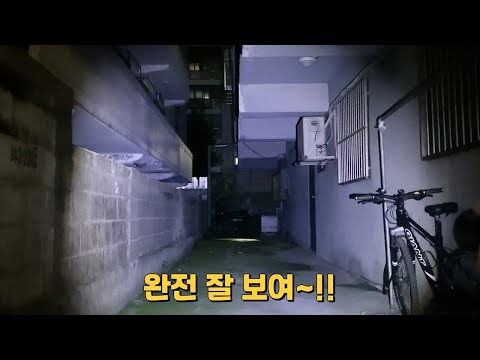

Mudeungsan National Park Introduction Video