K-Drama Filming Spots
🎬 Watch videosToday's Videos
News![[4K CAM] 260919 Kep1er KIM CHAEHYUN 'BUBBLE GUM' / 'Back to the City' Vertical Fancam](https://i.ytimg.com/vi/CjiJ7-8TKuI/maxresdefault.jpg)

![[T.I.C] Idol Class tripleS Visionary Vision 'Hit the Floor' | DANCE COVER | Top Dance Idol Class](https://i.ytimg.com/vi/74uLfUdrXAY/hqdefault.jpg)



![[4K] Walking Guryongpo, that place from When the Camellia Blooms 🌺🌊](https://i.ytimg.com/vi/yVccjvU0aKg/hqdefault.jpg)
![[EP.35] 👉 "From Goblin Breakwater to Grilled Clams! Complete Exploration of Gangneung, Jumunjin"](https://i.ytimg.com/vi/6MFLKwIQnjM/hqdefault.jpg)
![💥[Chungnam Asan] From bone-chillingly cool valleys to exotic travel destinations~ BEST 6 Must-Visit Asan Travel Spots](https://i.ytimg.com/vi/B6o0uD_jUAA/hqdefault.jpg)

![[South Chungcheong Province Cheonan & Asan Travel] Travel with Chungnam Tour Pass (Course Recommendation / See Description)](https://i.ytimg.com/vi/_papvOEWY5w/hqdefault.jpg)

📂 Browse
If you have ever watched a Korean drama and wondered "where was this actually filmed?", this page is your starting point. We have gathered K-drama filming locations from across the country and pinned them on one map. Tap a marker below to open each place's page for directions and nearby information. From an East Sea beach to back-lots that recreate entire old streets, and a Joseon-era village — these are spots worth visiting alongside the shows.
Why visit filming locations
A filming-location trip is different because you are standing in a view you have already seen on screen. Go with a scene in mind and there is a particular joy in taking the same shot from the same spot. Korea also packs beaches, old streets and studio sets relatively close together, so even a one- or two-day trip can cover a couple of them. Below are representative locations chosen by region and type.
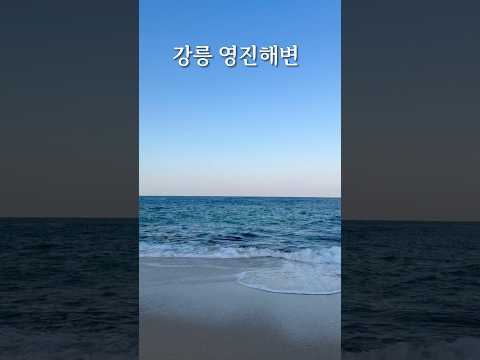
East coast — Yeongjin Beach, Gangneung (Goblin)
Yeongjin Beach in Yeonokmyeon, Gangneung, became famous as a filming site for the drama Goblin (Guardian) and earned the nickname "Goblin Breakwater." A steady stream of visitors come to photograph the sea from the end of the breakwater year-round. It is close to downtown Gangneung and Jumunjin, so it slots naturally into an East Sea itinerary.
Gyeongbuk — Guryongpo Modern History Street, Pohang (When the Camellia Blooms)
Guryongpo's Modern History Street in Pohang is an old alley lined with houses from the Japanese colonial era, and it served as the backdrop for the town of "Ongsan" in When the Camellia Blooms. Narrow stairways, wooden houses and the harbor sit together, making it pleasant to explore slowly. It pairs well with Guryongpo's food, such as snow crab and gwamegi.
Studio sets — whole eras recreated
- Sunshine Land, Nonsan — A modern-street and studio theme park inspired by the drama Mr. Sunshine. You can try period costumes and take photos within the early-modern setting.
- Hapcheon Film Theme Park — A large open set recreating streets from the 1920s–1980s, where many films, dramas and music videos have been shot. It gathers period-drama backdrops in one place.
- Suncheon Drama Set — An open set recreating streets of the 1960s–1980s. Old neighborhood alleys, shops and hillside homes remain intact, making it a favorite for retro-style photos.
A stage for historical dramas — Oeam Folk Village, Asan
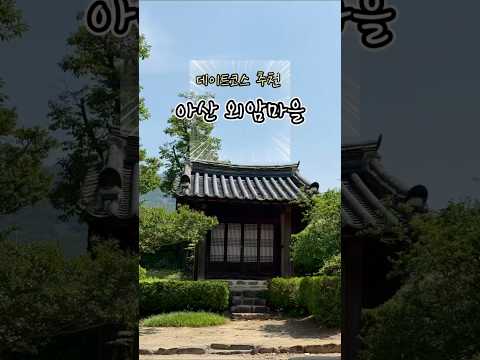
Oeam Folk Village in Asan, Chungnam, is a preserved Joseon-era traditional village with stone walls, thatched and tiled-roof houses, and it has long been used as a setting for historical dramas. Because real residents still live here, it has a sense of everyday life that a studio set cannot match.
Getting there and tips
- Use the map: Tap a marker below to open that place's page, where you can see local transit and nearby information for that area.
- Group your route: Yeongjin Beach (Gangneung) and Guryongpo (Pohang) form an East-coast axis; Sunshine Land (Nonsan) and Oeam Village (Asan) a Chungcheong axis; Hapcheon and Suncheon a Yeongnam–Honam axis — grouping cuts travel time.
- Seasons: The beach (Yeongjin) is best in summer and at sunrise; old streets and sets work year-round. Sets and folk villages may charge admission and keep set hours, so check official notices before visiting.
- Etiquette: At places where residents live, such as Oeam Village, respect private property and living spaces.
Who it suits
If you are a fan of a specific show, start from that drama's location; if photos are the goal, start from the sets and old streets. Using the map below, group nearby spots and a single day can be enough. Tap a marker for detailed information on each place.
🗺 Map
Recommended Videos
News![Guryongpo Japanese House Street: A Modern History and Culture Street, filming location of 'When the Camellia Blooms', where modern Japanese houses remain. [3-Minute Trip]](https://i.ytimg.com/vi/alY5GLmHAaY/hqdefault.jpg)

![260527 KISS OF LIFE HANEUL - Who is she [Dongseo University Eunwol Minseok Festival] Fancam] by koala LEE](https://i.ytimg.com/vi/SVdPZyeWJsw/hqdefault.jpg)



![[6회 하이라이트] 널 지키려고 최선을 다했는데 그 방법이 틀린 걸까? 서로 엇갈려 버린 주지훈 X 하지원 #클라이맥스](https://i.ytimg.com/vi/DqvGBeUZUk0/maxresdefault.jpg)

![유연석 주술회전 버전 변호사 개미쳤다 ㅋㅋ 개쩌리였던 변호사가 어느날 주력을 각성해, 재판을 올 100% 승소하는 천재적 변호사로 각성한다고?! "이겨!" [신이랑 법률사무소]](https://i.ytimg.com/vi/0_IyEVKZ4Bs/maxresdefault.jpg)
![[월간남친] 미친 대박 드라마! 안보면 손해! 지수 연기력 일취월장! 이상형 남친](https://i.ytimg.com/vi/L_ln_r0SM9Y/maxresdefault.jpg)




![[하이라이트] 집과 회사만 오가던 일상에, '설레는' 일정이 생겼다! 〈미혼남녀의 효율적 만남〉 2/28(토) 밤 10시 40분 첫 방송!](https://i.ytimg.com/vi/JUuPyMxOiZA/maxresdefault.jpg)

![[아너:그녀들의 법정 7화예고]니 정체가 뭐야?" 친딸인지 모르고 납치한 박제열의 비극! #아너 #아너그녀들의법정 #이나영 #정은채 #이청아 #ENA #지니TV](https://i.ytimg.com/vi/QCq0lnKG5p0/maxresdefault.jpg)