Late August is Peak Season: How to Choose and Enjoy Yeongam Figs Properly
🎬 Watch videosToday's Videos
News


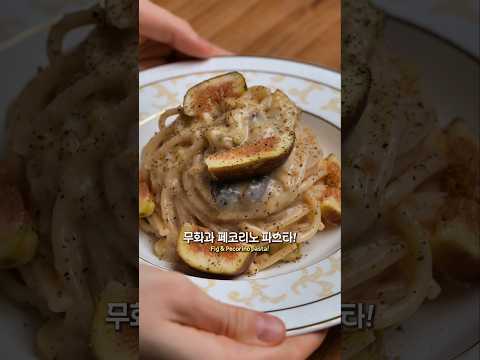






Late August is Peak Season: How to Choose and Enjoy Yeongam Figs Properly
1. Yeongam Figs at a Glance
Yeongam figs are seasonal fruits harvested for about 3 months, from August to October. Figs harvested from late August to early September, in particular, boast exceptional sweetness and a tender texture. Yeongam County in Jeollanam-do is a prominent production region, accounting for approximately 60% of Korea's domestic fig output. Its mild climate, ample sunshine, and fertile soil contribute to the production of high-quality figs.
- Peak Season: August ~ October
- Main Production Area: Yeongam County, Jeollanam-do
- Main Varieties: Dauphine (red fig), Banane (green fig)
- Characteristics: High sweetness, tender texture, rich in nutrients
2. Characteristics of Yeongam Fig Varieties and Those Harvested in Late August
While various fig varieties are cultivated in Yeongam, the ones primarily available in late August are 'Dauphine' and 'Banane'.
3. How to Choose Yeongam Figs Properly
Yeongam figs ripen very little after harvesting, so it's crucial to select ripe ones when purchasing. Refer to the following criteria to choose the best figs.
- Color: Look for an evenly reddish-brown hue with minimal green areas. Ripe figs will have a predominant reddish-brown color and be slightly soft.
- Bottom of the Fruit: A slight cross-shaped crack indicates high sweetness. Figs with the stem end split into a five-point star shape are considered top quality.
- Skin: Choose figs free of blemishes and with a fresh, undried stem. It's best if there are no dry petals.
- Firmness: When gently pressed, a slightly soft give indicates the most deliciously ripe state. If it's too firm, it's underripe; if it's too soft, it might be overripe.
- Aroma: A distinct and sweet fragrance is a good sign.
- Ripening after Harvest: Figs ripen very little after being picked, so you must choose fully ripe ones when purchasing. Underripe figs may lack sweetness.
4. How to Store and Wash Yeongam Figs
Since figs have thin skin and a high moisture content, making them highly perishable, proper storage and washing are crucial.
4.1. Storage Methods
-
Short-Term Storage (Refrigerated, 3-5 days):
- Refrigerate immediately upon receipt.
- Arrange them in a single layer so they don't overlap.
- Line an airtight container with a paper towel, place the figs stem-side up, and cover the top with another paper towel (this prevents condensation from the lid from dripping onto the fruit).
- Do not wash them or remove the stems. Contact with water will make the skin soft, and cutting the stem beforehand can cause moisture loss and mold.
- Wrap them in paper towels and seal them in a plastic bag, then refrigerate at 1-5℃.
- They can be stored for up to 5 days, but it's best to consume them as soon as possible after purchase.
-
Long-Term Storage (Frozen, up to 6 months):
- If you don't expect to eat them all within two days, it's best to prepare and freeze them.
- Wash them thoroughly, pat dry, and remove the stems or cut them in half.
- Spread them on a tray to freeze, and once fully frozen, transfer them to a freezer bag or airtight container for storage.
- Frozen figs are difficult to eat fresh and are best used for processing into smoothies, jams, etc.
4.2. Washing Methods
- Caution: Figs are very delicate when exposed to water, so do not soak them. If water enters the cracks of the fig, its sweetness will rapidly decrease.
- Method: Just before eating, hold the fig stem-side up under running water, rinse gently, and pat dry. Since figs are naturally resistant to pests and diseases, pesticide use is minimal or nonexistent, so a simple rinse to remove foreign particles and dust is sufficient.
5. Peak Season Recipes for Yeongam Figs in Late August
Enjoy a variety of dishes using the most delicious Yeongam figs during their peak season in late August.
5.1. Fig Jam
- Ingredients: 1kg peeled figs, 500g sugar (1/2 the weight of the figs), 1/2 tsp citric acid (or lemon juice)
- Instructions:
- Finely chop the figs, place them in a pot, and add a small amount of water.
- Add citric acid to the pot and heat until it boils.
- Once the figs boil, add the sugar in 2-3 batches and simmer.
- Pour the jam into sterilized glass jars (sterilized for 20 minutes), remove air bubbles, and store.
5.2. Fig Salad
A simple yet healthy salad featuring fresh figs.
- Ingredients: 2-3 Yeongam figs, a handful of arugula or baby greens, fresh mozzarella or ricotta cheese, balsamic glaze, a sprinkle of nuts.
- Instructions:
- Wash the figs thoroughly and cut them into bite-sized pieces.
- Arrange arugula or baby greens on a plate, then top with figs and cheese.
- Sprinkle with nuts and drizzle with balsamic glaze to finish.
6. Frequently Asked Questions (FAQ)
Q1. Can Yeongam figs be eaten with the skin on?
Yes, Yeongam figs are often grown organically without pesticides, so they are perfectly fine to eat with the skin on. However, if you find the skin's texture unappealing, you can peel them. Simply rinse them lightly under running water right before eating.
Q2. I bought underripe figs; can I ripen them further to eat?
Figs are a fruit whose sweetness does not significantly increase after harvest. The softening that occurs at room temperature is not true ripening but rather a tenderizing process, so it's crucial to choose ripe figs from the moment of purchase. If you've purchased underripe figs, it's best to use them for making jam or smoothies rather than eating them fresh.
Q3. Is eating too many figs unhealthy?
Figs are a beneficial fruit for health, as they are low in calories and rich in nutrients like dietary fiber, vitamins, and minerals. However, they are relatively high in sugar, so excessive consumption carries a risk of rapidly increasing blood sugar levels. Dried figs, in particular, have concentrated sugar, so caution is advised. Furthermore, due to their high potassium content, individuals with chronic kidney disease should be mindful of their intake, as excessive consumption can lead to hyperkalemia.
Recommended Videos
News