Autumn 2026: Experience the Breath of Silla at Gyeongju's Bulguksa Temple and Seokguram Grotto — Autumn Foliage Spots and Visiting Tips
🎬 Watch videosToday's Videos
News






📂 Browse
2026 Gyeongju Autumn Foliage: Peak in Early-to-Mid November — Getting to Bulguksa, Seokguram, Tongiljeon Ginkgo Road & Dori Village
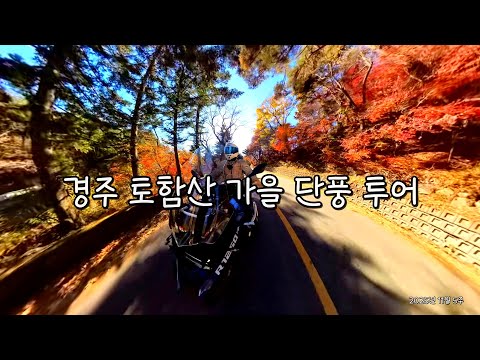
Peak autumn foliage in Gyeongju is forecast for early to mid-November in 2026, with colors already beginning to turn around November 2. For brilliant golden ginkgo trees, the top destinations are the Tongiljeon Ginkgo Tree Road and the Dori Village Ginkgo Forest in Seo-myeon. Crimson maple leaves show up first across the temple grounds of Bulguksa and along the mountain trail leading up Mount Toham to Seokguram Grotto. At Bomun Lake, you can enjoy the fall colors on a leisurely stroll around the water. If you arrive by KTX, take Bus No. 711 or 700 from Gyeongju Station (formerly Singyeongju Station) for a little over an hour to Bulguksa, then hop on Shuttle Bus No. 12 to reach Seokguram. Admission to both Bulguksa and Seokguram is free.
| Destination | Highlights & Colors | Peak Season (Forecast / Historical) | From Gyeongju Station |
|---|---|---|---|
| Bulguksa | Maples throughout the temple grounds, Cheongungyo and Baegungyo bridges | 1st to 2nd week of November | Bus 711 or 700 (approx. 1 hr) |
| Trail to Seokguram | Mount Toham autumn foliage canopy | Slightly earlier than Bulguksa grounds | Shuttle Bus 12 from Bulguksa |
| Tongiljeon Ginkgo Road | Approx. 2 km tree-lined ginkgo avenue | Late October to early November | Bus 711, or City Bus 10 or 11 |
| Dori Village Ginkgo Forest | Ginkgo grove nestled inside the village | Around November 4 (Gyeongsang regional forecast) | Bus 303 from downtown Gyeongju |
| Bomun Lake | Approx. 6 km lakeside walking trail | Early to mid-November (Gyeongsang regional forecast) | City Bus 10 or 11 |
2026 Gyeongju Autumn Foliage Forecast and Current Status (As of November 2)
This year's peak autumn foliage in the Gyeongsang region, where Gyeongju is located, is forecast for early to mid-November. This is according to the "2026 Autumn Foliage Map" released on October 8 by the Korea Tourism Organization in collaboration with the Korea National Arboretum. On the same map, as reported by Financial News, the Daegu Arboretum, a Gyeongsang region point, set its peak for ginkgo trees around November 4, maple trees around November 6, and oak trees around November 14. Wikitree Report
| Category | Announcing Organization (Date) | Details |
|---|---|---|
| National Peak Forecast | Korea Forest Service (September 22) | Maples/Oaks October 31, Ginkgo October 30 |
| Gyeongsang Region Peak Forecast | Korea Tourism Organization·Korea National Arboretum (October 8) | Early to mid-November. Daegu Arboretum: Ginkgo November 4, Maples November 6, Oaks November 14 |
| Southern Mountain Peak Forecast | Weatheri (September 4) | Southern region November 5-13. Gayasan November 5, Palgongsan November 12 |
| First Foliage Sighting | Korea Meteorological Administration | Palgongsan·Juwangsan·Geumosan October 16, Gayasan October 19, Gajisan October 21 |
The criteria for "peak" vary by institution. The Korea Forest Service considers 50% of leaves colored as the peak, while Weatheri considers it when about 80% of the entire mountain is colored. This is why Weatheri's dates are a few days later for the same mountain (Seoraksan: Korea Forest Service October 20, Weatheri October 25). The Korea Forest Service explained that this year's peak is about 0.8 days later than the average of the past five years. SBS Biz Report · Weatheri 2026 Autumn Foliage Forecast
Tohamsan is not among the 21 mountains where the Korea Meteorological Administration observes autumn foliage. In nearby Yeongnam mountain regions, the first autumn colors were observed between October 16-21. Since the peak usually arrives about two weeks after the first sighting, early to mid-November (first to second week of November) aligns with this calculation. When planning your visit to Bulguksa and Seokguram, aim for the period between the first and second week of November. However, just before your departure, check the Korea Meteorological Administration's Weather Nuri Autumn Foliage Status and recent visitor photos to confirm the extent of the color change.
Ginkgo Tree Road & Bomun Lake
- Tongiljeon Ginkgo Tree Road: Lining a roughly 2-kilometer stretch of road in front of Tongiljeon, the ginkgo trees turn a vibrant golden yellow between late October and early November (according to Gyeongju City Culture & Tourism guidance). Bus No. 711 from Gyeongju Station (KTX) as well as city buses No. 10 and 11 stop directly in front of Tongiljeon.
- Bomun Lake: The walking trail circling the lake spans about 6 km and takes around 2 hours on foot. Gyeongju City anticipates crowds of autumn travelers flocking to Bulguksa Temple, the Bomun Tourist Complex, and Tongiljeon Ginkgo Tree Road from mid-October through early November. Kyongbuk Ilbo Report
Dori Village Ginkgo Forest — A Golden Grove Away from the City
Nestled in Dori, Seo-myeon, Gyeongju, this village woodland is known for its dense, towering rows of ginkgo trees. When autumn arrives, the leaves turn a vibrant yellow, bathing the entire grove in brilliant gold. Travel guides note that it is about a five-minute walk from the "Dori Public Health Center" bus stop via Bus 303 from downtown, but bus service is infrequent, so make sure to check the return timetable in advance.
The grove is woven directly into a rural community with patches of private land. Past surges in visitors have led to reported tensions between landowners and residents; please be respectful by obeying on-site guidance and restricted-entry signs, and never park in front of residential homes. In July 2026, the city of Gyeongju launched a 51 million won project to develop Dori Ginkgo Village into a year-round attraction, improving village murals, roofs, and fences while upgrading public restrooms. Herald Business Report
For another iconic autumn spectacle in Gyeongju, visit the roughly 370-year-old ginkgo tree at Ungok Seowon (Confucian academy), which was highlighted by the Gyeongbuk Culture and Tourism Organization as a top October travel spot. Kyongbuk Maeil Report
Getting There by KTX — From Gyeongju Station (Formerly Singyeongju Station)
Some international map apps or older travel guides may still list the station as "Singyeongju." The high-speed KTX stop originally named Singyeongju Station was officially renamed "Gyeongju Station" in late 2023, while the old downtown Gyeongju Station permanently closed in December 2021. Rest assured, they refer to the same station today. Gyeongbuk Maeil Report
| Destination | Bus Route | Travel Time & Schedule |
|---|---|---|
| Bulguksa Temple | No. 711 (via Hwangridan-gil, Donggung Palace and Wolji Pond, Tongiljeon) | Approx. 1 hour, 10 departures daily from Gyeongju Station (First bus 07:07, Last bus 20:23) |
| Bulguksa Temple (bound for Gampo) | Express Bus No. 700 | Approx. 55 mins, 4 times daily (07:50, 08:50, 13:50, 14:50) |
| Seokguram Grotto | Shuttle No. 12 from Bulguksa | Runs approx. every hour; last bus departing Seokguram is at 17:20 (Nov–Jan) |
| Tongiljeon Hall | No. 711 or City Bus No. 10 / 11 | Bus 711 stops here en route to Bulguksa |
Using a transit card (such as T-money) makes transfers much easier, and youths aged 6 to 18 ride local city buses for free when using a transit card. On weekend afternoons during the peak autumn foliage season, traffic near Bulguksa can get heavily congested, significantly stretching travel times. It is best to plan your itinerary backward around the last departure time from Seokguram Grotto to avoid getting stranded.
Bulguksa and Seokguram Visitor Guide
Bulguksa and Seokguram are UNESCO World Heritage sites that stand as quintessential symbols of South Korea's cultural legacy. In autumn, the vibrant foliage blanketing the temple grounds and mountain trails creates a breathtaking spectacle. Admission to both sites has been free of charge since May 4, 2023, making them hassle-free destinations to explore.
| Category | Bulguksa | Seokguram |
|---|---|---|
| Official Name | Bulguksa Temple, Gyeongju (慶州 佛國寺) | Seokguram Grotto, Gyeongju (慶州 石窟庵 石窟) |
| Location | 385 Bulguk-ro, Gyeongju-si, Gyeongsangbuk-do | 238 Seokgul-ro, Gyeongju-si, Gyeongsangbuk-do |
| Opening Hours | Opens at 09:00; Last admission: Nov–Jan 17:00 · Feb & Oct 17:30 · Mar–Sep 18:00 (Open year-round) | Opens at 09:00; Last admission: Nov–Jan 17:00 · Feb & Oct 17:30 · Mar–Sep 18:00 (Open year-round) |
| Admission | Free (since May 4, 2023) | Free (since May 4, 2023) |
| Reservations | Not required | Not required |
| Recommended Duration | 1–3 hours | 1–2 hours |
| Peak Autumn Foliage | Forecasted to peak early to mid-November in the Gyeongsang region for 2026 (typically late October to mid-November) | Mountain paths tend to turn color earlier than Bulguksa |
| Notes | Dismantling and restoration work on Daeungjeon Hall scheduled to start in the second half of 2026, with a temporary protective enclosure planned around year-end (visitor restrictions TBD) | Photography prohibited inside the grotto; viewing is permitted only from outside the glass partition |
Autumn Splendor: Bulguksa & Seokguram Foliage Trails
In autumn 2026, Bulguksa Temple and Seokguram Grotto will be ablaze with red and yellow autumn leaves, offering visitors breathtaking scenery. Bulguksa, in particular, often receives high praise for its autumn foliage, while the mountain path leading to Seokguram forms a stunning tunnel of vibrant leaves.
Bulguksa's Autumn Foliage Walking Trails
- From the Temple Entrance, the Foliage Path: Starting from the entrance of Bulguksa, red and yellow leaves create a continuous tunnel, offering numerous picturesque spots perfect for photos.
- Around Cheongungyo and Baegungyo Bridges: This spot harmonizes vibrant autumn leaves with traditional architecture, allowing you to immerse yourself in the deep autumnal atmosphere.
- Daeungjeon Hall Pathway: The serene stone staircase here provides an excellent backdrop of autumn foliage for memorable photos.
- Near Banyayeonji Pond: Here, you can admire the beautifully colored yellow and red autumn leaves.
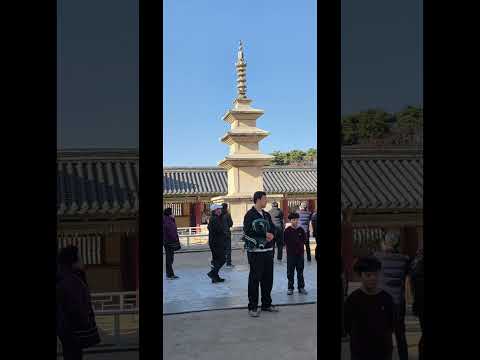
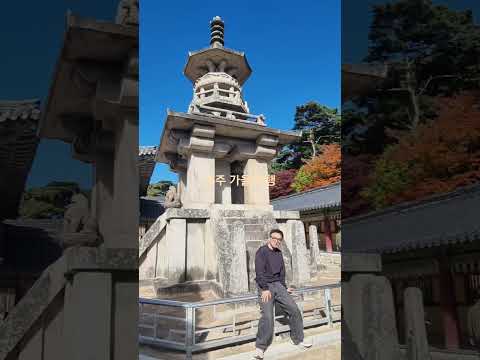
- Along the Wall Paths and Around the Stone Pagodas: Throughout Bulguksa, there are many spots perfect for capturing "life-shot" photos (once-in-a-lifetime photos).
Seokguram's Autumn Foliage Trails
- Mountain Path from Bulguksa to Seokguram: The 2.2km mountain path connecting Bulguksa's Iljumun Gate to Seokguram (especially around Odongsu Mineral Spring) is lined with maple trees, forming a breathtaking autumn foliage tunnel. Enjoy the essence of autumn as you walk.
- Walking Path from Seokguram Parking Lot to Seokguram: This approximately 600m path takes about 10 minutes to walk. It's a gentle uphill stroll, offering a charming route through bamboo groves and pine trees.
Getting to Bulguksa and Seokguram by Public Transit
Check out the most convenient public transit options from Gyeongju Station or the bus terminals to Bulguksa Temple and Seokguram Grotto. In addition to Gyeongju city buses, a dedicated shuttle connects Bulguksa and Seokguram directly.
From Gyeongju Station (Formerly Singyeongju Station)
- Bus 700 (Seat Bus): Departs from Gyeongju Station (KTX) four times a day (07:50, 08:50, 13:50, 14:50), passing Bulguksa on its way to Gampo. According to the operator's timetable, the trip to Bulguksa takes about 55 minutes; it does not continue to Seokguram. Please check current Gyeongju city bus notices for up-to-date fares during your visit.
- Bus 711: Operating since February 27, 2023, this route connects Singyeongju Station and Bulguksa. It stops at the Express Bus Terminal, Hwangridan-gil, Donggung Palace and Wolji Pond, and Tongiljeon Hall before heading to Bulguksa. It departs from Gyeongju Station ten times a day (first bus at 07:07, last bus at 20:23). Expect roughly 1 hour to reach the Bulguk Station / Bulguk Rotary stop based on the official timetable.
From Gyeongju Bus Terminals (Intercity / Express)
- Bus 10: Departs from the Hwangridan-gil Public Parking Lot and heads to Bulguksa via Gyeongju Express Bus Terminal, the old Gyeongju Station, and Bomun Tourist Complex.
- Bus 11: Runs the same route as Bus 10 in reverse.
Getting from Bulguksa to Seokguram
- Bus 12 (Seat Bus): A shuttle bus running round-trip between Bulguksa and Seokguram. You can board between the Bulguksa Public Parking Lot and the Bulguksa shopping district/market. Because only a single bus shuttles back and forth on roughly a one-hour interval, missing it means waiting nearly an hour for the next run. According to the operator (Saechonyeon Miso), winter schedules take effect starting October 6. Departures from Bulguksa leave at :40 past every hour from 08:40 to 15:40 (except the 12:00 slot, which departs at 12:50), with the last bus at 16:40 in October and 16:20 from November through January. Departures from Seokguram leave on the hour from 09:00 to 16:00 (except the 13:00 slot, which leaves at 13:05), with the final bus at 17:40 in October and 17:20 from November through January.
- On Foot: It is about a 3 km hike via the mountain trail from Bulguksa up to Seokguram, or roughly 9 km along the paved roadway.
Gyeongju City Bus Fares
- Children and youth aged 6 to 18 ride Gyeongju city buses for free when tapping a transit card. Standard cash fares apply when paying in cash.
Visiting Tips for Bulguksa and Seokguram
- Avoid Peak Hours: During the autumn foliage season, weekends between 10 AM and 3 PM are the most crowded. To avoid the rush, aim to enter right when the gates open at 9 AM. If you plan to visit in the afternoon, please note that the last entry is 5:30 PM in October, and 5:00 PM from November. Make sure to arrive at least one hour before closing.
- Wear Comfortable Shoes: Given the high concentration of historical sites and extensive walking paths, comfortable footwear is essential.
- Bulguksa Daeungjeon Renovation: The National Heritage Administration announced that the Daeungjeon (Main Hall), which received a safety grade of E, will undergo dismantling and repair work in the second half of 2026. They plan to first erect a temporary protective structure around the end of the year, remove the roof tiles, and then determine the scope of the repair work. The construction is expected to take 2-3 years. As whether access will be restricted has not yet been decided, please check for the installation of temporary structures or covers just before your visit. Seoul Shinmun report
- Inside Seokguram Grotto: Photography is prohibited inside Seokguram to preserve this cultural heritage. Visitors cannot enter the actual grotto and must view it from outside a passageway equipped with a protective glass barrier.
- No Pets Allowed: Pets are not permitted at either Bulguksa or Seokguram.
Recommended Sightseeing Routes
Beyond Bulguksa and Seokguram, Gyeongju is home to a wealth of historic Silla heritage sites. Here are a few recommended routes to enjoy these cultural treasures alongside vibrant autumn foliage.
- Bulguksa → Seokguram: Explore Bulguksa early in the morning, then head up to Seokguram by taking a shuttle bus or following the hiking trail.
- Donggung Palace and Wolji Pond: After touring Bulguksa, heading over to catch the dazzling evening illumination at Donggung Palace and Wolji Pond makes for a wonderful itinerary.
- Hwangridan-gil: After your visit to Bulguksa, stop by Hwangridan-gil—a convenient and lively neighborhood to grab a meal or relax at a stylish café.
- Daereungwon: A scenic park where you can wander among ancient Silla royal burial mounds framed by colorful fall foliage.
- Cheomseongdae: Located just a short walk from Daereungwon, this ancient observatory is an iconic landmark of Gyeongju.
Where to Eat & Stay Nearby
The area around Bulguksa and Seokguram offers a wide variety of restaurants and accommodations. Discover great spots to savor the local flavors of Gyeongsangbuk-do and unwind in comfort.
Where to Eat
- Busan Sikdang (Gyeongju Bulguksa Main Branch): Known for its hearty combo set featuring beef brisket soybean paste stew (chadol doenjang-jjigae) and grilled minced rib patties (tteokgalbi). Breakfast is available, and the restaurant has been officially recognized as an exemplary dining spot by tourism associations. (Hours: 08:00–18:00)
- Harubang Ttukbaegi: Set in a charming hanok-style building, this restaurant is famous for its Jeju-style gulfweed soup (momguk). It offers group seating and is pet-friendly (leash required). (Hours: 11:00–20:00, Break time: 15:00–17:00)
- Goraedeung Hanjeongsik (Gyeongju Bulguksa Main Branch): Signature menus include barley dried yellow corvina sets (bori-gulbi) and braised beef short ribs (galbijjim). With ample private rooms and dedicated parking, it is ideal for family and group gatherings. (Hours: Daily 10:00–20:30)
- Songjeongwon Sundubu: Highly regarded for its soft tofu stew (sundubu) and spicy stir-fried squid (ojingeo bokkeum). Features a self-serve side dish bar and complimentary rice refills.
- Gyeongju Ori Gungdengi: Renowned for its duck bulgogi prepared with house-fermented soybean paste, salted seafood seasonings, and traditionally aged kimchi. (Hours: 09:00–21:00, Break time: 14:30–16:30, Closed Sundays)
- Breath Coffee Works: A spacious, modern café located between Bomun Tourist Complex and Bulguksa, featuring a generous parking lot that accommodates around 100 vehicles.
Where to Stay
You will find a wide range of accommodation options near Bulguksa and Seokguram to suit every travel style.
- Hotels: Kolon Hotel, Gyeongju Lantana Hotel Bulguksa Branch, Gyeongju Hwaeun Hotel, H Avenue Gyeongju Bulguksa Branch, and more.
- Pensions & Resorts: Hidden Hill Bulguksa, JI Stay Bulguksa Branch, Gyeongju Sajo Resort, Gyeongju Bulguksa Hanok Dongo-dang Pension, Gyeongju Bulguksa Hanok Coko Stay, Gyeongju The Foret Hanok Pension, Check-in Bulguk, Hohe Gyeongju Pool Villa, Gyeongju Hanok Pension Silla Masil, Gyeongju Bulguksa Hanok Farmstay, The First Silla, Liune Kids Pool Villa Pension, and more.
Frequently Asked Questions
When is the peak autumn foliage at Bulguksa and Seokguram in 2026?
According to 2026 forecasts, peak foliage is expected from early to mid-November, centered primarily through the second week of the month as of November 2. The 2026 autumn foliage map published by the Korea Tourism Organization and the Korea National Arboretum projects peak colors for the Gyeongsang region in early to mid-November, while private weather service Weatheri forecasts the peak for the southern region between November 5 and 13. The mountain trails along Tohamsan usually turn color first, followed by the temple grounds, so make sure to check recent visitor reviews and the Korea Meteorological Administration's Weather Nuri autumn foliage status before heading out.
How much is admission to Bulguksa and Seokguram?
Following revisions to the Cultural Heritage Protection Act, admission to both Bulguksa and Seokguram has been free of charge since May 4, 2023. No advance reservation is required.
How do I get from Bulguksa to Seokguram?
Bus No. 12 operates as a shuttle service between Bulguksa and Seokguram. You can board the bus between the Bulguksa public parking lot and the nearby shopping market area; a single bus makes the round trip at intervals of about one hour. From November through January, the last bus departs Bulguksa at 16:20 and Seokguram at 17:20 (subject to the operator's official timetable). If you prefer to walk, it is roughly a 3 km hike via the mountain trail or 9 km along the paved new road.
Is Bulguksa still worth visiting during the Daeungjeon restoration?
Yes. Iconic sights such as Cheongungyo and Baegungyo Bridges, Jahamun Gate, Geungnakjeon Hall, and the walled walkways within the grounds are entirely separate from Daeungjeon Hall. However, because the exact construction boundary and scaffold coverings are set once work begins, it is wise to look up recent photos just before your visit if taking a clean, unobstructed photo of Daeungjeon's facade is your main goal.
Combining with Late Autumn Foliage Routes (Late Oct–Nov)
The 53rd Silla Cultural Festival concluded after running from October 9 to 11 around Bonghwangdae and Woljeonggyo Bridge. Starting in late October, the most convenient way to explore is by connecting Bulguksa Temple and Seokguram Grotto with downtown foliage spots using a single city bus route.
- Bulguksa & Seokguram → Tongiljeon → Donggung Palace and Wolji Pond: Visit Bulguksa Temple and Seokguram Grotto in the morning, then hop on Bus No. 10 at the Bulguksa stop. This route takes you past Tongiljeon, the Gyeongju National Museum, and Donggung Palace and Wolji Pond before heading into Hwangnidan-gil. You can get off at Tongiljeon to stroll down the ginkgo tree avenue, then catch the next Bus No. 10 to arrive at Donggung Palace and Wolji Pond around sunset. Bus No. 10 runs 28 times a day.
- Downtown → Tongiljeon → Bulguksa: If you are starting from downtown instead, Bus No. 11 runs in the opposite direction via Donggung Palace and Wolji Pond, Gyeongju National Museum, and Tongiljeon on its way to Bulguksa. Since both Bus No. 10 and No. 11 connect Bulguksa with the Bomun Tourist Complex, it is also easy to weave in a scenic walk around Bomun Lake.
If you also want to catch the silver grass, consider pairing this with our guide to Gyeongju Pink Muhly & Silver Grass Spots to plan your full day itinerary.